
Target Muscle Tension with Precision Dry Needling
At Impact Dry Needling Clinic, we provide dry needling for musculoskeletal care. Some people experience short-term relief in tightness or mobility, though results vary. Risks include soreness, bruising or lightheadedness, and suitability differs.
Conditions Managed by Dry Needling
Shoulder Pain
Shoulder pain may result from tendon or joint irritation. Shockwave therapy may assist with symptom management, although its effectiveness varies among patients.
Neck Pain
Dry needling may be used to address neck muscle tension. Some people report temporary improvements in comfort and ease of movement.
Thoracic Outlet Syndrome
Dry needling may help release muscle tension in the chest and neck, which in some cases can reduce pressure sensations.
Back Pain
Needling of trigger points in the back muscles may help reduce tension. Some people notice short-term support for flexibility and comfort.
Elbow, Wrist, and Hand Pain
Dry needling can be applied to the forearm muscles. This may assist with reducing tightness, though responses differ between individuals.
Hip and Leg Pain
Dry needling may be considered for hip or thigh muscle tightness. Some people report short-term support for easier movement.
Knee Pain
Needling of the quadriceps or hamstring areas may reduce tension for some people. Outcomes are variable and depend on individual factors.
Foot and Ankle Pain
Dry needling may be used for calf and foot muscle tightness. Some people experience temporary support for mobility and reduced strain.
Headaches and Migraines
Targeting upper shoulder and neck muscles with dry needling may reduce tension linked to some headache patterns, though not all.
TMJ Pain
Dry needling may be applied to the jaw and surrounding muscles. Some people report short-term relief in tightness and movement.
Fibromyalgia
Dry needling may help reduce muscle sensitivity in some people with widespread pain. Responses differ and are often short-term.
Lower Back Pain
Targeted needling of lumbar muscles may help relax tension. Some people find this supports mobility and daily activities.
Golfer’s Elbow
Dry needling may be used for forearm flexor tightness. This may support short-term comfort with gripping tasks.
Tennis Elbow
Targeting forearm extensor muscles with dry needling may reduce tension for some individuals, with variable outcomes.
Frozen Shoulder
Dry needling may be used for shoulder muscle tightness. Some people report support for mobility during the management of symptoms.
What to Expect During Your Therapy
Consultation and Assessment
Your practitioner discusses your medical history, symptoms, and goals, then performs an assessment to determine whether dry needling may suit your needs. Not all people are suitable for this treatment.
Needle Insertion into Trigger Points
Fine, sterile needles are gently inserted into identified trigger points. This technique may help release muscle tension and support improved movement. Temporary soreness, bruising, or lightheadedness can occur.
Post-Needling Guidance & Home Care
After treatment, you’ll receive tailored advice on hydration, light stretching, and pacing activities. This guidance is intended to support your comfort and recovery between sessions, though outcomes vary.
Why Choose Impact Dry Needling Clinic
Targeted Approach
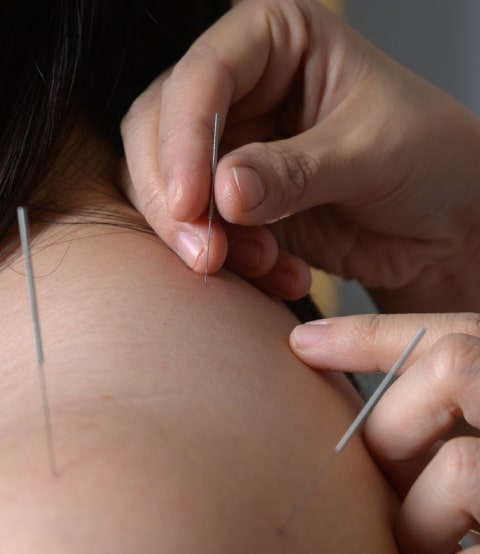
Dry needling uses fine needles to stimulate muscle trigger points. Some patients report relief, though outcomes vary and multiple sessions may be required.
Movement Support
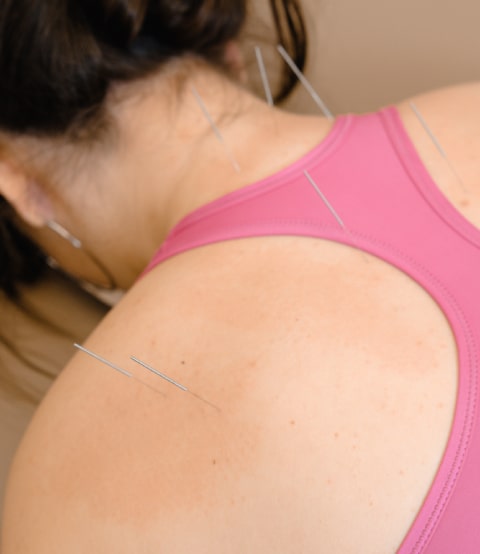
This technique may help reduce muscle tightness and support mobility in some cases. Results differ between individuals, and effectiveness depends on the condition being treated.
Nerve And Circulation Effects
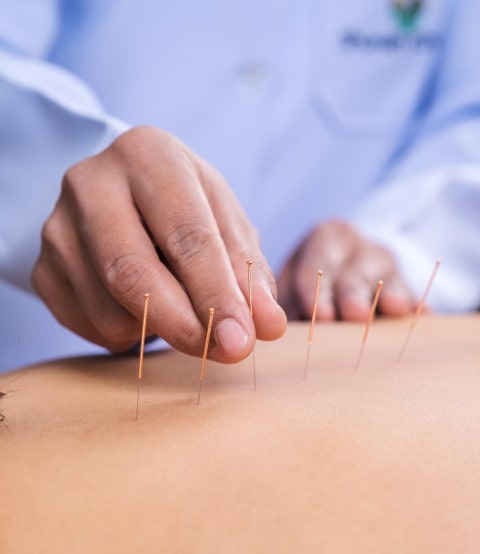
Dry needling may influence local muscle activity, nerve signals, and circulation. Evidence varies, outcomes are not guaranteed, and treatment suitability depends on each patient’s circumstances.
Qualified Care
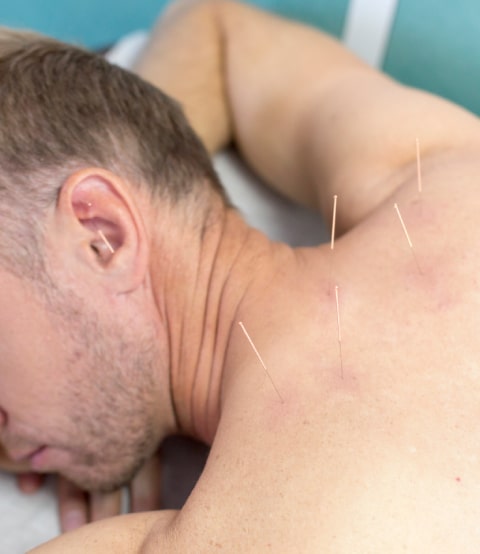
All dry needling is performed under hygiene protocols by a registered practitioner who is trained in its safe application and appropriate clinical use.
Know More About the Costs of Dry Needling
| Consultation Type | Price | Description |
|---|---|---|
| Initial Consultation | $149.00 |
|
| Standard Consultation | $149.00 |
|
| Extended Consultation | $220.00 |
|
Frequently Asked Questions
Does dry needling hurt?
Dry needling may cause some discomfort during or after treatment. The experience varies between individuals. You may feel a quick sting as the needle goes in, followed by a dull ache or a small muscle twitch.
Some people notice mild soreness for a day or two afterwards — this is a common response.
Research supports this:
- A study on neck pain found that needling into painful muscle knots often reproduced the person’s usual pain during treatment. Some participants also reported short-term pain relief in the weeks that followed.
- A study on low back pain showed that individuals who experienced a twitch response during needling had short-term improvements in muscle activity. However, pain relief was similar whether or not a twitch occurred.
Some brief discomfort is common, but it is usually short-lived, and your practitioner will monitor your comfort throughout treatment.
What hygiene practices are in place for dry needling?
Practitioners follow established hygiene practices to minimise the risk of infection and support patient safety. These include:
- Single-use, sterile needles:
Every needle is pre-packaged, sterile, and discarded immediately after use. This prevents cross-contamination between patients. - Hand hygiene:
Practitioners wash or sanitise their hands before treatment. Gloves are worn when necessary to reduce the risk of infection further. - Clean treatment environment:
Surfaces and treatment areas are disinfected before and after each session. This maintains a clean clinical environment. - Disposal of needles:
Used needles are placed in approved sharps containers straight after use. This protects patients and staff from accidental injury or contamination. - Adherence to professional standards:
Practitioners follow national infection control guidelines and standards set by professional boards under AHPRA. These rules guide responsible and consistent practice.
These hygiene measures are part of standard clinical care and help lower, but do not remove, risks. Your practitioner will explain the procedure and address any questions you may have before the treatment.
How many sessions are usually needed to see improvement?
The number of dry needling sessions differs from person to person. Some notice changes within the first few visits, while others may need multiple sessions.
Factors that may influence the number of sessions include:
- Duration of symptoms:
Persistent or long-term pain often needs more sessions. - Irritability of symptoms:
Pain that flares up easily or lingers may progress more slowly. - Muscle involvement:
Wider areas of tension (e.g., the neck and shoulders together) require more sessions than a single region. - Personal goals:
Returning to sport, manual work, or specific activities may require more sessions to build tolerance. - Response to initial sessions:
Early changes guide whether to continue at the same frequency or adjust spacing. - Combination with other care:
Programs that include exercise or physiotherapy alongside needling may support short- to mid-term outcomes, as suggested in a systematic review and meta-analysis. - Lifestyle factors:
Stress, sleep quality, and physical workload all affect recovery time. - Health background:
Other medical conditions or medication use may influence pace. - Consistency with self-care:
Regular mobility or strengthening workouts between sessions can reduce the total number needed. - Tolerance after each session:
If post-session soreness is stronger or lasts longer, sessions may be spaced further apart.
Your practitioner will review your progress regularly and adapt the plan to your individual needs. The number of sessions can vary from person to person.
Can I resume normal activity immediately after treatment?
Many people are able to return to light daily activities after treatment, although responses vary. Mild soreness or fatigue is common for a day or two.
Factors to consider after a session include:
- Activity type:
Light walking, desk work, and routine tasks are generally suitable. - Intensity of exercise:
Strenuous activity, heavy lifting, or high-impact sport may be better delayed for 24 hours. - Post-session response:
If soreness is stronger or longer-lasting, easing back gradually is often more comfortable. - Hydration and rest:
Drinking water and getting adequate rest can help manage muscle tightness. - Self-care guidance:
Your practitioner may suggest simple stretches or heat packs to support recovery.
Everyone responds differently. Your practitioner will provide you with specific guidance on when to resume normal or more strenuous activities.
Are there risks or side effects?
Dry needling, like any procedure that involves inserting needles into the skin and muscles, can have side effects. These vary between individuals.
Possible side effects may include:
- Mild soreness or aching:
This is common in the area where the needle was inserted and typically subsides within one to two days. - Small bruises:
These can appear at the needle site if a small blood vessel is affected. - Light bleeding:
A few drops of blood may be seen at the insertion site. - Fatigue:
Some individuals may experience temporary tiredness after a session. - Temporary pain reproduction:
The procedure may briefly reproduce your usual pain pattern during the insertion of the needle.
Less common but possible risks include:
- Infection:
This is very rare, as sterile, single-use needles are used. - Nerve irritation:
This may cause temporary tingling or numbness if a needle touches a nerve. - Vascular injury:
This is rare, but it can occur if a larger blood vessel is affected.
Is dry needling appropriate alongside other therapies?
Dry needling is often used as part of a broader care treatment plan rather than as a standalone procedure. It may be combined with other approaches to support outcomes.
Examples of how it may be used include:
- Exercise programs:
Strengthening or stretching exercises can complement needling by addressing movement patterns and muscle balance. - Manual therapy:
Techniques such as joint mobilisation or massage may be used together with dry needling to manage muscle tightness. - Physiotherapy rehabilitation:
Incorporating needling within a structured physiotherapy plan can assist in managing certain musculoskeletal conditions. - Lifestyle strategies:
Sleep, stress management, and pacing activities can also influence overall progress and comfort.
Research into how dry needling works in combination with other therapies is ongoing, and results can vary from person to person. Your practitioner will assess your goals, health background, and other treatments you may be receiving before advising whether dry needling could be included.
Take the First Step Toward Better Movement. Schedule an Appointment With Us!
Connect with Impact Dry Needling Clinic today. Arrange a consultation to discuss your health needs and explore whether this approach may support your movement and comfort.