
- 1 Summary of the Content:
- 2 Understanding the Athletic Body: Why Athletes Seek Dry Needling
- 3 Dry Needling for Athletic Recovery
- 4 Performance Considerations: What Research Shows
- 5 What Perth Athletes Should Know Before Considering Dry Needling
- 6 Safety Considerations for Athletes
- 7 The Future of Dry Needling in Sports
- 8 Final Thoughts
Dry Needling for Athletes in Perth: Enhancing Sports Performance and Recovery
May 23, 2024

By Nick Lorem
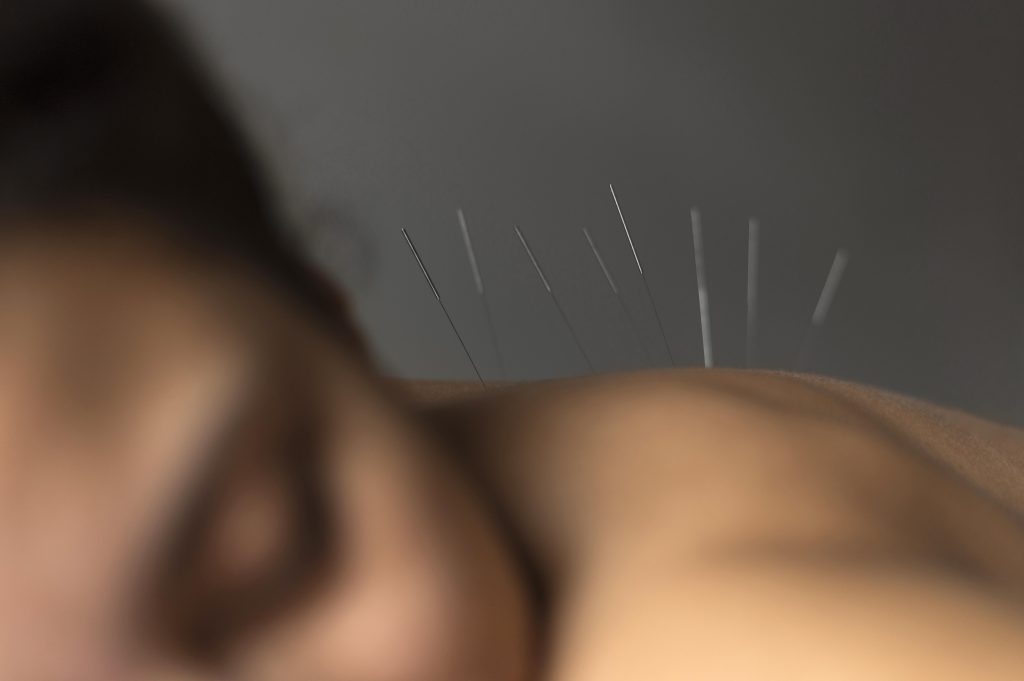
Athletes in Perth face unique challenges. From the heat of summer training sessions to the demands of year-round competition, managing recovery and musculoskeletal health remains essential for continued performance. Many Perth athletes now incorporate dry needling as one element within their broader recovery strategies.
This article explores current research on dry needling for athletes. You’ll learn how the technique works, which conditions may respond to treatment, and what sports physical therapists consider when working with athletes.
We’ll examine applications across Perth’s popular sports—from AFL and ocean activities to running and racquet sports—while maintaining focus on evidence-based information.
Physical therapists use dry needling to address myofascial trigger points and areas of muscle tension. The technique involves inserting thin needles into specific points to help manage musculoskeletal pain and support recovery processes. However, understanding realistic expectations and individual variation remains crucial when considering any treatment approach.
Important: While dry needling may support certain aspects of athletic recovery and musculoskeletal function, individual responses vary significantly. This information is educational and does not promise performance improvement. Dry needling works most effectively when integrated into a comprehensive athletic care programme. This includes appropriate training, rest, nutrition and coordination with your sports medicine team.
Summary of the Content:
- Dry needling treatment addresses trigger points and muscle tightness from athletic training demands and repetitive movement patterns.
- Research suggests potential benefits for certain overuse conditions when combined with appropriate training modification and rest.
- Athletes in various sports may experience different musculoskeletal conditions that respond to individualised treatment approaches.
- Perth’s sports medicine community increasingly integrates trigger point dry needling within comprehensive athletic care programmes.
- Integration with sports, physical therapy, strength training and rest remains essential for athletic recovery.
- Individual responses vary significantly. Consultation with sports physical therapists supports informed decision-making about pain management.
- Evidence continues to develop regarding treatment protocols, timing considerations, and the role of dry needling.
Understanding the Athletic Body: Why Athletes Seek Dry Needling
Athletic training places unique demands on musculoskeletal structures that may contribute to muscle trigger points and chronic injuries. Repetitive movement patterns, high training loads and sport-specific biomechanical stress can lead to tight muscles. Understanding these challenges helps explain why athletes explore various physical therapy treatments, including dry needling.
Athletes often experience specific musculoskeletal challenges due to training demands. Training load and muscle fatigue can impair muscle function and contribute to poor movement patterns. The difference between injury treatment and performance support lies in addressing both immediate concerns and long-term capacity.
Common Musculoskeletal Issues in Athletes
Sports physical therapists frequently address several key concerns in athletic populations:
- Training load and muscle fatigue:
High-volume athletic training may contribute to accumulated muscle tension and reduced recovery capacity. - Repetitive movement patterns:
Sport-specific movements can create areas of chronic tension in frequently used muscle groups. - Sport-specific biomechanical stress:
Different sports place varying demands on particular joints and muscle chains. - Recovery demands versus training demands:
Balancing adequate rest with training progression remains challenging for many athletes.
Perth-Specific Athletic Considerations
Perth’s climate and sports culture create particular considerations for local athletes seeking physical therapy:
- Impact of Perth’s climate on training:
Warm summers and outdoor sports culture may influence training capacity and recovery requirements. - Common sports injuries among Western Australian athletes:
AFL, cricket, and ocean sports each have distinct injury patterns. - Seasonal considerations:
Different sports peak during summer and winter seasons, affecting training loads throughout the year.
How Dry Needling Works: The Science for Athletes
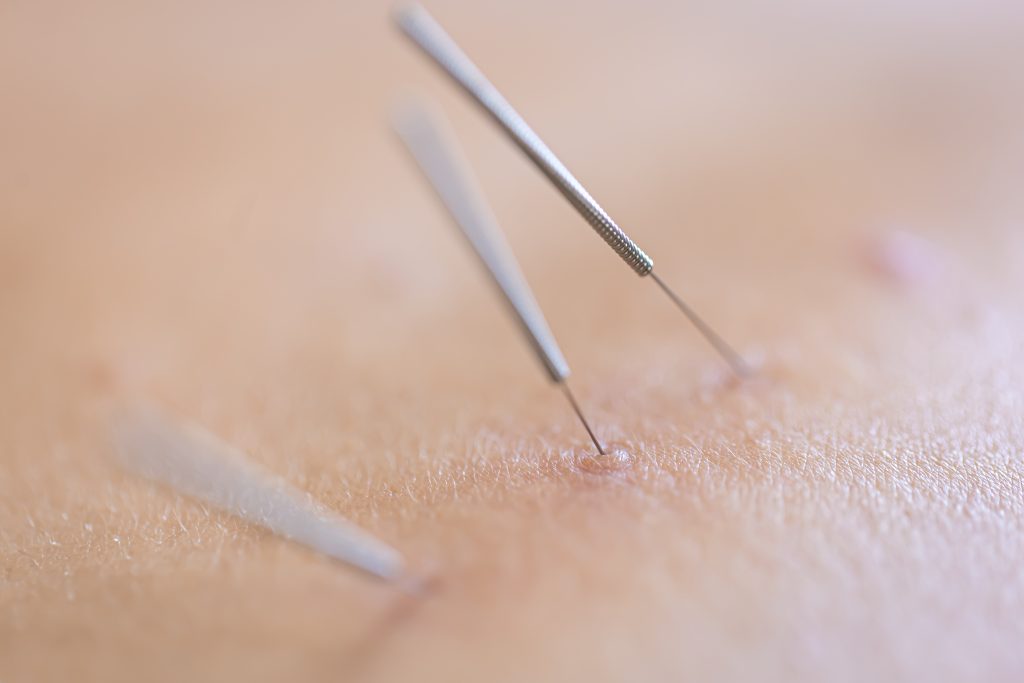
Dry needling involves inserting solid needles into myofascial trigger points and areas of muscle tension. Research examining trigger point therapy suggests this dry needling technique may influence various physiological processes.
Physical therapists who perform trigger point dry needling receive specific training in locating and addressing muscle trigger points.
Mechanism of Action
Understanding the proposed mechanisms helps explain potential applications of dry needling therapy in athletic populations. The treatment technique may work through several pathways:
- Trigger point release and muscle tension:
Inserting thin needles into trigger points may help release tension. - Neurophysiological responses:
The technique may influence pain perception, pain signals and muscle activation patterns. - Blood flow and inflammation management:
Local circulation changes may support tissue recovery processes. - Pain modulation pathways:
Research suggests potential effects on how the nervous system processes pain signals.
The local twitch response commonly occurs when needles contact trigger points. This involuntary muscle contraction suggests successful location of dysfunctional tissue. Sports physical therapists assess whether superficial dry needling, deep dry needling or electrical dry needling proves most appropriate.
Athletic-Specific Applications
A systematic review examining dry needling for athletes identified several potential applications for athletic populations. However, researchers emphasised that current evidence varies in quality. Individual responses differ significantly. Physical therapists may use dry needling treatment to address:
- Addressing muscle tightness from training:
Physical therapists manage areas of chronic tension that may develop from repetitive athletic movements. - Managing trigger points in overused muscles:
Treatment addresses focal areas of myofascial trigger point pain in frequently stressed muscle groups. - Supporting recovery between training sessions:
Dry needling complements other recovery modalities within comprehensive programmes. - Complementing other recovery modalities:
The technique works alongside manual therapy and other physical therapy treatments.
Dry Needling for Athletic Recovery
Recovery represents a critical component of athletic training. Research published in the Sports Journal explored various applications of dry needling for athletic recovery. The study noted that integration with comprehensive care programmes appeared most effective for managing musculoskeletal pain.
Post-Training Recovery
Athletes may seek dry needling treatment to support various aspects of post-training recovery. Licensed physical therapists assess individual needs and develop appropriate treatment protocols:
- Managing delayed-onset muscle soreness:
Some research suggests that dry needling therapy may help reduce muscle soreness after intense training. - Addressing muscle fatigue:
The technique may help manage accumulated muscle tension from training loads. - Supporting tissue recovery processes:
Integration with adequate rest, nutrition, and other treatments remains essential. - Time considerations between sessions:
Sports physical therapists advise on appropriate timing relative to athletic training schedules.
Injury Management and Prevention
Dry needling may complement rehabilitation protocols for certain musculoskeletal conditions. Studies examining athletes’ perceptions found that many viewed trigger point dry needling as a valuable component within broader treatment approaches.
Applications within injury management coordinated by sports physical therapists may include:
- Complement to rehabilitation protocols:
The technique works alongside exercise therapy and progressive loading programmes. - Addressing compensatory movement patterns:
Physical therapists manage muscle tension and release trigger points. - Managing chronic overuse issues:
Treatment supports athletes dealing with persistent musculoskeletal pain. - Integration with physiotherapy:
Physical therapists coordinate treatment with broader rehabilitation goals and functional assessment.
Sport-Specific Applications: Popular Perth Sports
Different sports create varying musculoskeletal demands. Perth’s popular sports present particular patterns of muscle trigger points and musculoskeletal conditions:
Running and Endurance Sports
Runners may experience calf tightness, iliotibial band syndrome, and plantar fasciitis. Research in Body Work and Movement Therapies suggested potential benefits for certain conditions when dry needling therapy addresses muscular components. Sports physical therapists may use trigger point dry needling to help relieve pain.
Team Sports (AFL, Soccer, Rugby)
Team sport athletes often develop hip flexor tightness, hamstring tension and shoulder issues. Licensed physical therapists may use dry needling treatment between games and training to address myofascial trigger points. Integration with sports medicine approaches supports recovery demands specific to team sports.
Racquet Sports (Tennis, Squash)
Repetitive arm movements may contribute to elbow pain, shoulder impingement and wrist concerns. The dry needling technique may help address associated muscle tension when integrated with appropriate rest. Physical therapists consider referred pain patterns when addressing athletes with these musculoskeletal conditions.
Swimming and Water Sports
Swimmers often experience shoulder impingement and lower back pain, affecting soft and subcutaneous tissue. Perth’s ocean sports culture creates additional considerations for athletes managing musculoskeletal pain. Sports physical therapists may incorporate dry needling therapy within comprehensive treatment programmes.
Important: Dry needling should be viewed as one component of a comprehensive recovery strategy. This includes appropriate training load management, nutrition, sleep and rest. Individual responses vary, and consultation with your sports medicine team is recommended.
Performance Considerations: What Research Shows
Important Context: This section addresses a common question from athletes while maintaining scientific accuracy. Dry needling should not be viewed as a performance-enhancing intervention.
Athletic performance depends on numerous factors, including athletic training, technique, genetics, nutrition, and psychology. Research examining dry needling applications has explored potential effects on specific musculoskeletal variables rather than competitive outcomes. Physical therapists emphasise that any relationship between trigger point dry needling and athletic performance remains indirect.
Range of Motion and Mobility
Some studies suggest dry needling treatment may support improvements in joint range of motion. This could potentially help athletes maintain the mobility necessary for sport-specific movements. Licensed physical therapists assess whether addressing myofascial trigger points may improve range. However, improved mobility alone does not guarantee enhanced athletic performance.
Muscle Function and Activation
Research on trigger points and muscle activation patterns suggests that releasing trigger points may support normal muscle function. Sports physical therapists assess individual patterns to determine appropriate dry needling therapy approaches. Addressing dysfunction in tight muscles may help support functional movement.
Pain Reduction and Training Capacity
Studies examining pain management in athletic populations found that reducing pain may support training participation. Research in BMJ Open Sport & Exercise Medicine explored these relationships. The research noted the complex interaction between pain, function, and athletic performance. Physical therapists may use trigger point dry needling to help relieve pain. This may support athletes’ ability to engage in athletic training, though responses vary significantly.
Training Availability and Indirect Support
How recovery support may assist training consistency represents an indirect pathway rather than direct performance enhancement. When dry needling treatment helps athletes manage musculoskeletal pain and muscle tightness, they may maintain more consistent schedules. Sports physical therapists emphasise that this indirect relationship does not guarantee competitive results.
Important: While some research suggests dry needling may support aspects of musculoskeletal function in athletes, any relationship to athletic performance is indirect and highly individual. Performance in sport depends on numerous factors, including training, technique, genetics, nutrition, psychology and overall health. Dry needling should not be viewed as a performance-enhancing intervention. Rather, it represents one potential tool for supporting musculoskeletal health. Individual results vary significantly.
What Perth Athletes Should Know Before Considering Dry Needling
Assessment and Suitability
Not every athlete or musculoskeletal condition responds the same way to dry needling therapy. Sports physical therapists conduct thorough assessments to determine whether this technique may be appropriate.
- When dry needling may be appropriate:
Certain musculoskeletal conditions with identifiable myofascial trigger points may respond to this treatment. - When other interventions should be prioritised:
Some chronic pain conditions benefit more from alternative approaches. - Importance of proper diagnosis:
Understanding the underlying cause of musculoskeletal pain helps guide treatment selection. - Role within the broader sports medicine team:
Trigger point dry needling is most effective when integrated with comprehensive care.
Timing Considerations
Timing matters in athletic treatment. Sports physical therapists consider these factors when planning dry needling treatment:
- Training cycles and periodisation:
Dry needling therapy timing should align with your athletic training schedule and competitive calendar. - Pre-competition considerations:
Athletes usually avoid new physical therapy treatments in the weeks leading up to important competitions. - In-season versus off-season treatment:
Different phases of athletic training may influence treatment approaches. - Recovery time after sessions:
Some temporary soreness may occur following trigger point dry needling.
Integration with Other Modalities
Sports physical therapy rarely relies on single interventions. Effective athletic care coordinated by physical therapists includes:
- Complementary therapies:
Massage, manual therapy, and other physical therapy treatments may be used alongside dry needling. - Working with strength and conditioning coaches:
Coordination supports treatment alignment with athletic training goals. - Collaboration with sports physicians:
Medical doctors provide oversight for comprehensive sports medicine care. - Importance of comprehensive approach:
Load management, nutrition, sleep and psychological factors all influence recovery.
Perth-Specific Considerations
Perth athletes seeking dry needling treatment should consider:
- Accessing qualified practitioners:
Look for licensed physical therapists with appropriate training in dry needling technique. - Nicholas Wigger’s Level 3 GEMt credentials:
At Impact Dry Needling Clinic, practitioners hold advanced qualifications. - Questions to ask potential practitioners:
Enquire about training and experience with sports physical therapy. - Health fund coverage in Western Australia:
Check your private health insurance for coverage of physical therapy treatments.
Realistic Expectations
Understanding realistic timelines and responses helps athletes make informed decisions:
- Timeline for potential benefits:
Some athletes report changes within days, while others require several sessions. - Variation in individual responses:
What helps one athlete may not benefit another, even with similar conditions. - What to expect during sessions:
The local twitch response commonly occurs when needles contact trigger points. - Signs of appropriate progress:
Improved movement quality and reduced muscle tension may indicate positive responses.
Safety Considerations for Athletes
Athletic populations require specific safety considerations when undergoing dry needling treatment. Athletes often push through discomfort during training. This makes clear communication with sports physical therapists essential.
Importance for the Athlete Population
- Athletes may push through discomfort:
Report pain intensity accurately and distinguish between normal post-treatment soreness and concerning pain. - Distinction between treatment soreness and injury:
Temporary muscle tension after treatment differs from a new injury. - When to delay training after sessions:
Sports physical therapists provide guidance on modifying athletic training. - Contraindications for athletic populations:
Licensed physical therapists assess individual factors that may affect suitability.
Post-Treatment Guidelines
Physical therapists who perform point dry needling provide these recommendations:
- Activity modification recommendations:
Sports physical therapists advise on adjusting training intensity following treatment. - Hydration and recovery support:
Adequate fluid intake and rest support tissue recovery processes. - What soreness is normal versus concerning:
Some temporary muscle tension is expected. - When to contact practitioner:
Report unusual symptoms or pain that does not improve within expected timeframes.
Working with Other Healthcare Providers
Coordination among healthcare providers supports comprehensive sports medicine care:
- Communication with physiotherapists:
Sharing information about treatments supports coordinated care. - Coordinating with sports physicians:
Medical doctors should be informed of all physical therapy treatments. - Integration with team medical staff:
Athletes in organised sports should inform medical staff of treatments. - Importance of disclosure:
Informing all healthcare providers about treatments received supports coordinated care.
Compliance with Sport Regulations
Athletes competing under various sporting organisations should note:
- Dry needling is not a banned substance or method:
Trigger point dry needling is not prohibited under World Anti-Doping Agency regulations. - Distinction from trigger point injections:
The dry needling technique uses solid needles without injected substances. - Transparency with coaches and medical staff:
Open communication about treatments supports appropriate care coordination. - Documentation for travelling athletes:
Keeping records of treatments may be helpful when crossing international borders.
The Future of Dry Needling in Sports
Scientific understanding of dry needling in athletic populations continues to develop. Acknowledging current research limitations demonstrates scientific integrity. This helps athletes make informed decisions about physical therapy treatments.
Areas Needing More Research
Sports physical therapists and researchers identify several gaps in current knowledge:
- Studies in athletic populations:
Most existing research examines short-term outcomes rather than effects on chronic pain. - Sport-specific outcome measures:
Different sports may require different assessment approaches. - Treatment protocols for athletes:
Questions remain about ideal frequency and duration. - Combination with other modalities:
Understanding how trigger point dry needling interacts with other treatments requires further study. - Performance outcome studies:
Direct effects on athletic performance remain difficult to isolate from other variables.
Emerging Research Areas
Sports medicine research continues exploring applications of dry needling work:
- New research on athletic recovery:
Researchers examine recovery markers, muscle function and training capacity. - Studies on timing and dosage:
Research explores treatment schedules relative to athletic training loads and competition demands. - Integration with technology:
Movement analysis may help sports physical therapists identify athletes who may benefit. - Perth and Australian research:
Local research from licensed physical therapists contributes to global understanding. - Comparative studies:
Research examining point dry needling versus sham dry needling helps establish whether observed benefits result from the technique itself.
Final Thoughts
Dry needling for athletes represents one tool within the sports medicine toolkit that physical therapists use to address musculoskeletal pain. Perth athletes exploring this dry needling therapy should understand both its potential applications and limitations within comprehensive athletic care programmes.
Dry needling treatment may support some aspects of athletic musculoskeletal health when licensed physical therapists use appropriate technique. However, individual variation is significant. Integration as one component, including athletic training, physical therapy treatments, and sports medicine, yields reliable functional outcomes. Working with qualified practitioners provides appropriate assessment and treatment of muscle trigger points.
To discuss whether dry needling may be appropriate for your athletic needs, schedule an assessment. Contact Impact Dry Needling Clinic to learn more about how we work with Perth athletes.
Important: Dry needling is one of many tools that may support athletic recovery and musculoskeletal health. Success in sport requires a comprehensive approach including proper training, coaching, nutrition, rest and overall health management. Individual responses to dry needling vary. This information should not replace consultation with qualified healthcare professionals familiar with your sport, training load and injury history.