
The Science Behind Dry Needling for Muscle Recovery
May 23, 2024

By Nick Lorem
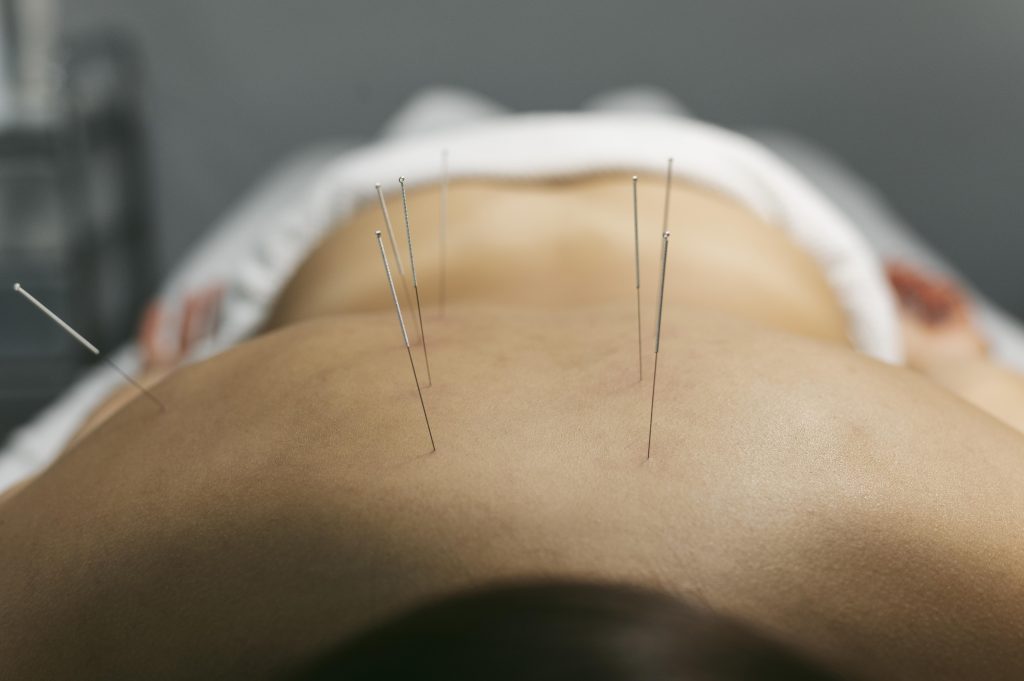
Muscle recovery can feel challenging after injury, surgery, work demands, chronic conditions, or age-related changes. These situations may contribute to muscle soreness or ongoing muscle pain, affecting daily movement and overall comfort. Understanding how your muscles respond to stress helps you make informed decisions about activity and lifestyle choices.
Dry needling for muscle recovery is used in clinical settings to influence muscle function through recognised physiological pathways. This may help promote muscle recovery by addressing factors related to exercise-induced muscle damage and tension patterns.
Some approaches, including trigger point dry needling, aim to support muscle recovery by encouraging more normal muscle activity.
In this article, you will learn how specific mechanisms may enhance muscle recovery. These include improved circulation, support for natural waste-clearing processes, activation of the body’s healing response, and the release of sustained contraction.
Each mechanism focuses on long-term tissue health rather than short-term symptom change. Whether you want to reduce muscle soreness, better understand your body, or improve your movement, this overview can help. It explains how dry needling may influence muscle physiology in a clear and evidence-informed way.
Summary of the Content:
- Muscle recovery involves several phases that depend on circulation, movement and natural cellular activity.
- Stress, tension and reduced blood flow can slow these phases and prolong discomfort.
- Dry needling may influence circulation, tension and muscle activity through recognised physiological mechanisms.
- Natural variation in response means people experience changes at different rates.
- Balanced habits, including hydration, nutrition and gradual loading, can support recovery.
- Early movement generally helps maintain comfort and function after treatment.
- Heavy exercise too soon may add unnecessary stress to sensitive areas.
- Consistent routines create a stable environment for muscle adaptation.
- A practitioner can help guide timing, technique and activity choices based on your individual presentation.
Understanding Muscle Damage and the Recovery Challenge
Muscle tissue responds to stress in predictable ways. These responses occur with injury, overuse, intense exercise, or prolonged physical strain. They can also occur when a pulled muscle or ongoing muscle pain affects your normal movement.
Understanding these processes matters because sore muscles often settle slowly, and different strategies may support steady muscle recovery.
The Physiology of Muscle Tissue Damage
Muscle fibres experience small disruptions when exposed to high loads. This can occur during intense exercise, daily tasks, or unplanned strain.
Several processes are involved:
- Micro-tears in fibres:
These small disruptions can influence muscle performance and contribute to local sensitivity. - Metabolic stress:
Activity increases lactate, hydrogen ions and inflammatory mediators. These substances can build up within the tissue. - Delayed onset muscle soreness (DOMS):
This often appears 24–72 hours after loading. It relates to structural stress and chemical changes in the area. - Trigger point formation:
These areas may limit movement as they can sustain contraction for longer than usual. - Circulation changes:
Ongoing contraction can reduce the amount of fresh blood reaching the fibres. This may influence glycogen stores and contribute to an “energy crisis” within the tissue. - Functional impact:
These combined effects can limit muscle growth and contribute to episodes of discomfort or restricted movement.
A physical therapist may consider these processes when applying dry needling or other physical therapy treatments. Each treatment aims to influence normal muscle activity rather than to provide an instant change.
Why Normal Recovery Can Be Slow
Muscle recovery occurs in stages, and each stage depends on healthy circulation, balanced activity and normal cellular processes. When these elements are disrupted, progress may feel slower. The points below outline how these phases work and why delays can occur over time.
Natural muscle healing phases include:
- Inflammation:
This early phase begins when the body detects stress or small areas of damage. Cells move into the region and start clearing by-products created during activity. This process creates warmth and sensitivity, which are normal signs that the body is responding. - Tissue formation:
New fibres begin developing as the body works to replace disrupted structures. This phase needs oxygen, nutrients and enough movement to stimulate healthy adaptation. Without these factors, the process may feel slower or less consistent. - Remodelling:
The tissue becomes more organised as fibres align and strengthen over time. This phase can last for several weeks and depends heavily on balanced activity and good circulation to support ongoing changes.
Factors that can slow the recovery process include the following:
- Poor circulation:
Reduced blood flow limits the delivery of oxygen and nutrients that support tissue development. It also slows the clearing of normal metabolic waste, which may contribute to lingering discomfort. - Sustained contraction:
Ongoing muscle tension prevents fibres from lengthening and returning to a comfortable position. This tension creates pressure on small vessels, which affects circulation and slows progress. - Metabolic accumulation:
Lactate, hydrogen ions and other by-products can remain in the area after activity. These chemicals may increase sensitivity and reduce comfort during movement, especially when they linger longer than expected.
How these factors create a cycle:
- Structural stress leads to contraction:
When fibres experience mechanical stress, they may tighten to protect the region. This protective response is common after intense activity. - Contraction limits blood supply:
Tight fibres press on nearby vessels, reducing blood flow. This restricts oxygen and nutrient delivery at a time when the body needs them most. - Reduced blood supply slows natural phases:
When circulation drops, each healing stage progresses more slowly. The area may feel stiff, heavy or sensitive during this period. - Slower progress leads to continued dysfunction:
As progress slows, tension patterns remain. This creates a loop where discomfort encourages more contraction, and contraction continues to limit circulation.
Adequate protein intake, appropriate training load, and other physical therapy treatments can help support steady progress. This creates the foundation for understanding how dry needling may influence the cycle by targeting specific regions of sustained contraction.
How Dry Needling Restores Circulation to Support Muscle Healing
Muscle tension can influence circulation. These changes may affect comfort, movement and recovery. Dry needling treatment may help enhance muscle recovery by influencing blood flow and easing local tension patterns.
Breaking the Ischemic Cycle
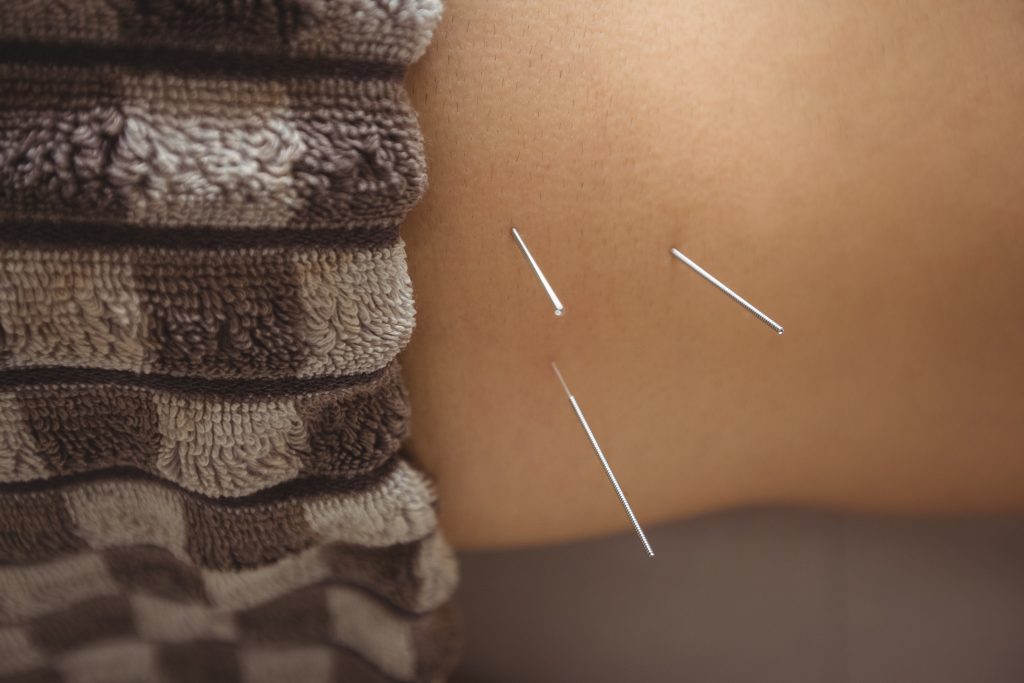
Trigger points and taut bands can press on nearby vessels. This reduces oxygen supply and limits nutrient delivery. Dry needling creates a mechanical effect that helps the area relax. This can increase blood flow through a brief vasodilation.
Improved circulation supports natural clearing processes and may help athletes recover after intense or endurance exercise.
Increasing Oxygen and Nutrient Supply to Damaged Tissue
Oxygen supports ATP production and steady muscle growth. Amino acids and glucose also contribute to tissue health.
Dry needling produces a small stimulus that attracts blood flow. One thermography study observed short-term vasodilation and temperature changes during dry needling of trigger points, suggesting increased local circulation. These changes can help the body replenish glycogen stores after high-intensity exercise.
Removing Metabolic Waste Products
Activity can increase lactate, bradykinin and substance P. These chemicals may contribute to discomfort and limited movement. Better circulation supports the venous and lymphatic systems, helping the body manage these substances more effectively.
Improved flow may ease local sensitivity within hours, although timing varies across individuals and professional athletes.
Activating the Body’s Natural Muscle Repair Mechanisms
Dry needling creates a controlled micro-stimulus. This attracts white blood cells, platelets and plasma cells. These processes reflect normal acute responses. They are different from chronic inflammation. This activity supports healthy tissue conditions during periods of training load or protein supplementation.
Deactivating Trigger Points That Impair Recovery
Myofascial trigger points can affect muscle fibres and limit movement. A local twitch response indicates a brief release of contraction. This helps fibres return to a more typical length.
When this occurs, surrounding regions often move more easily and show improved coordination.
Reducing Muscle Guarding and Protective Spasm
Injury or heavy load can create protective muscle guarding. This limits movement and increases tension. Dry needling may influence motor endplate activity by affecting acetylcholine patterns. This can encourage relaxation and create a more comfortable movement environment.
Studies examining motor endplate activity and range of motion have shown early functional changes after dry needling, though individual responses differ.
The Muscle Recovery Timeline with Dry Needling: What to Expect
Muscle recovery progresses through several phases. Dry needling treatment may aid recovery by supporting normal circulation, inflammation and tissue adaptation. Timing varies across individuals, especially with acute injuries or heavy training loads.
Immediate to 24 Hours: Circulation and Waste Removal
Dry needling may trigger brief vasodilation, which can increase blood flow in the area. This early change supports natural clearing of metabolic waste. Mild, temporary soreness can occur, similar to post-exercise fatigue.
During this phase, gentle movement helps the body begin its early response without excessive strain.
24-72 Hours: Active Tissue Repair Phase
Inflammation often peaks here as cellular activity increases. Growth factors and satellite cells begin contributing to tissue adaptation. Muscle soreness may peak, then gradually reduce.
Light activity is usually more helpful than complete rest and supports steady progress. Some people notice early functional changes, although responses differ.
72 Hours to 2 Weeks: Tissue Regeneration and Strength Building
Collagen production increases, and tissue becomes more organised. Strength may start to improve with sensible load adjustments. Training modifications can help guide this phase effectively.
Athletes may slowly increase their training regimen if symptoms remain manageable. Nutrition, including whey protein or other protein powders, may support dietary needs, although individual responses vary.
2-6 Weeks: Complete Remodelling and Performance Restoration
Tissue continues adapting, and strength can improve with progressive loading. Many people begin returning to normal activity during this period.
Elite athletes may progress differently due to conditioning levels. Multiple sessions may be needed as timelines vary across individuals.
Systematic reviews show that early functional movement and load control contribute to improved physical performance during recovery.
Optimising Muscle Recovery with Dry Needling
Muscle recovery depends on timing, load management and supportive habits. Using dry needling for muscle recovery may help release tension and support steady progress within the body’s natural healing phases.
Responses vary across individuals and depend on training load, musculoskeletal conditions and general health.
Timing Your Treatment for Optimal Recovery
Dry needling may be most useful when matched with the body’s recovery cycle. Acute issues often benefit from earlier sessions, while long-standing patterns may need a different schedule.
Athletes in training may plan treatment around lighter days to support blood circulation without interrupting performance. Pre-competition sessions are usually lighter.
Post-competition sessions may focus on easing tension and supporting movement. These timing choices aim to work with natural phases rather than compete against them.
Complementary Recovery Strategies
Several habits may support muscle adaptation alongside dry needling:
- Active recovery:
Gentle movement increases circulation without adding strain. - Progressive loading:
Gradual increases in demand help tissue adapt across a few weeks. - Hydration:
Water supports metabolic processes and circulation. - Sleep:
Good rest helps regulate hormones involved in recovery, and sleep deprivation may slow adaptation. - Nutrition:
Protein provides amino acids for muscle structure. Antioxidants help manage inflammation. Some people also use creatine monohydrate as part of their nutrition plan.
These strategies work alongside treatment by supporting natural physiological responses. Balanced habits may help maintain progress, although responses vary.
What to Do (and Avoid) After Treatment
The period after treatment can influence how your body responds. Simple choices can support comfort, circulation and movement. The guidance below outlines practical steps people often find helpful, along with actions that may be less suitable during the early stages.
What to Do After Treatment
- Choose light movement:
Gentle walking or mobility work can help release tension and support healthy blood circulation without creating unnecessary strain. - Stay hydrated:
Drinking water supports metabolic processes that promote healing and helps transport nutrients through the body. - Eat balanced meals:
Protein provides amino acids important for muscle structure, and good nutrition supports steady recovery following activity. - Use ice if the area feels sensitive:
Ice may feel soothing in the early period when warmth or mild irritation is present. - Use heat when stiffness develops:
Heat can feel comfortable later when movement feels restricted or muscles feel tight. - Resume training gradually:
Increase load slowly once the area feels settled to avoid overwhelming the tissue after treatment. - Notice normal sensations:
Mild soreness can appear and usually settles on its own as the body adjusts. - Rest when needed:
Fatigue may feel stronger with sleep deprivation, so quality rest can support general comfort.
What to Avoid After Treatment
- Avoid heavy exercise too soon:
High-intensity training may stress the area before it has settled enough for the load. - Avoid complete inactivity:
Total rest may reduce circulation, while gentle movement helps maintain steady progress. - Avoid using heat immediately if the area feels warm:
Heat can increase sensitivity in early stages and may feel uncomfortable. - Avoid pushing through sharp or unusual sensations:
Unusual discomfort can indicate the need for practitioner advice. - Avoid rapid training changes:
Sudden increases in load can create additional strain instead of helping recovery over the next few weeks. - Avoid inconsistent routines:
Irregular sleep or skipped meals can affect recovery habits and general comfort.
Final Thoughts
Muscle function changes over time, and each person responds to treatment and activity differently. Understanding how the body adapts can help you make informed choices about movement and daily habits.
Many people explore dry needling for muscle recovery as part of a broader plan. This plan may include structured activity, rest and balanced nutrition.
If you have ongoing symptoms or questions about timing, a qualified practitioner can assist. They can assess your situation and offer guidance suitable for your goals and activity levels.
If you want to know how dry needling may fit into your routine, you can contact Impact Dry Needling Clinic. Our team can provide information or help arrange a consultation.